
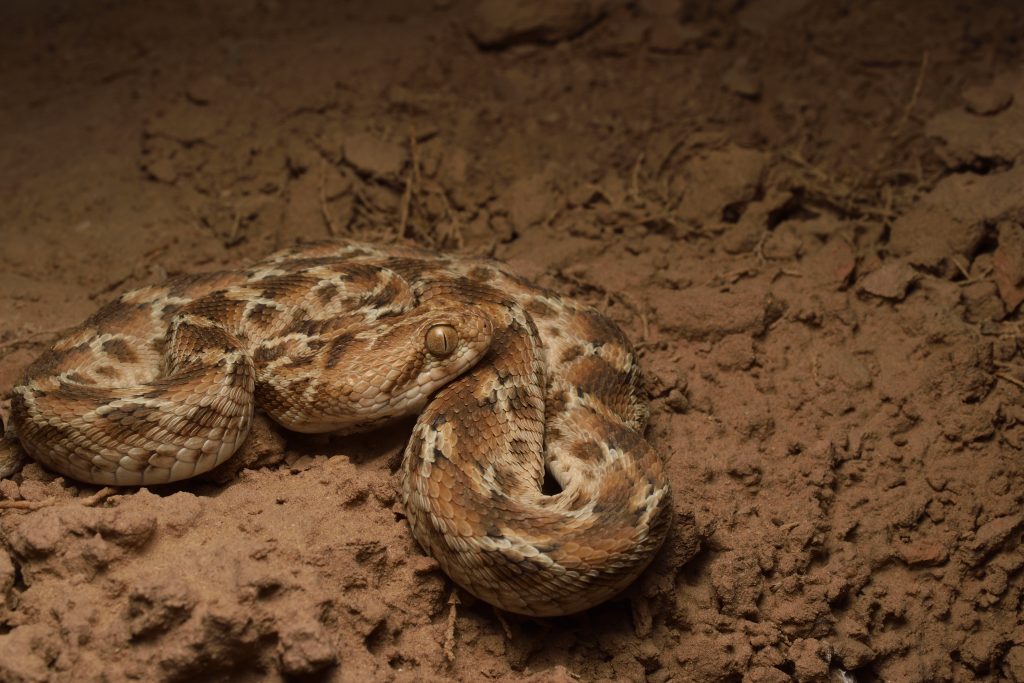
Herpetofaunal Assemblage and Anthropogenic Mortality in Tunisia
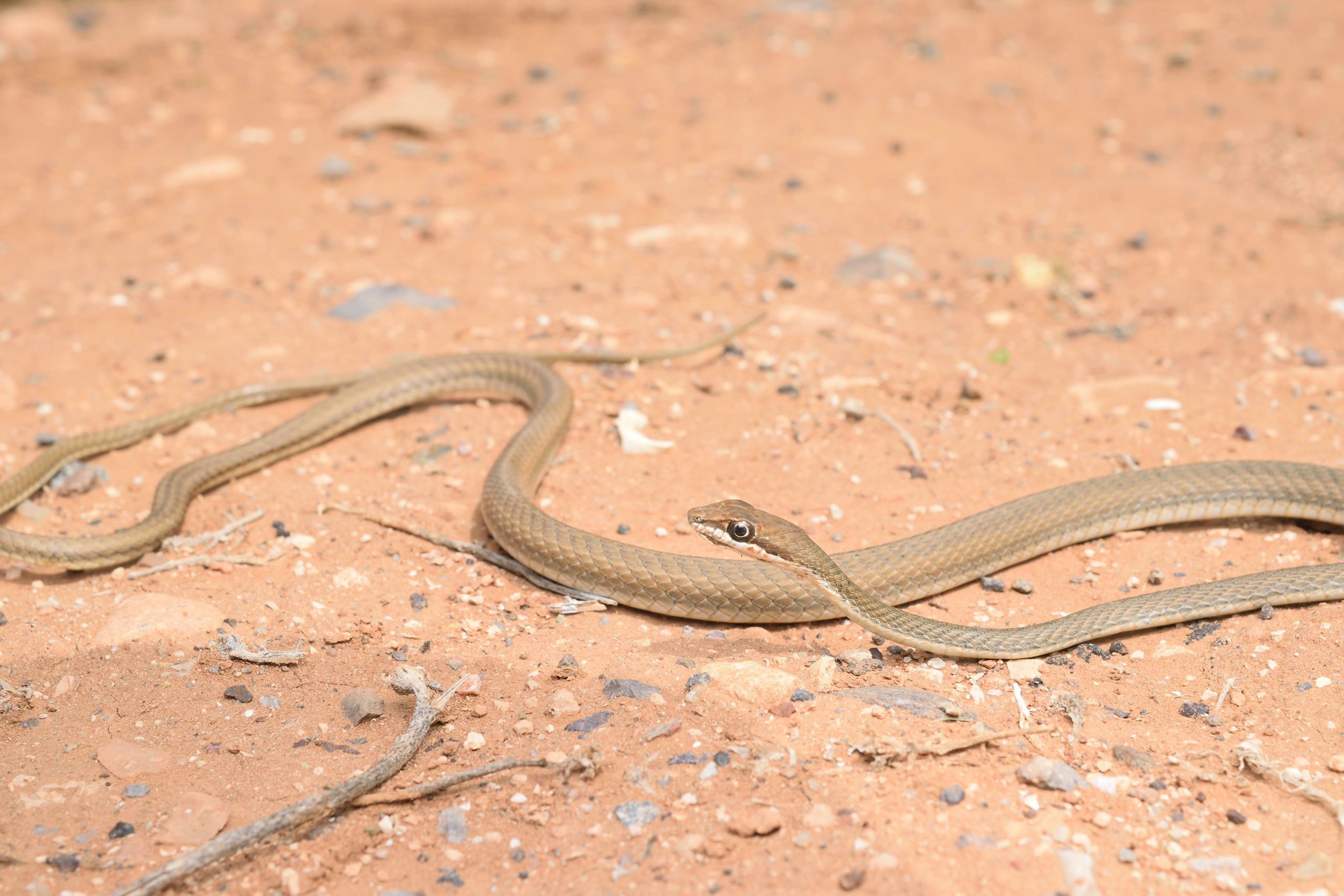
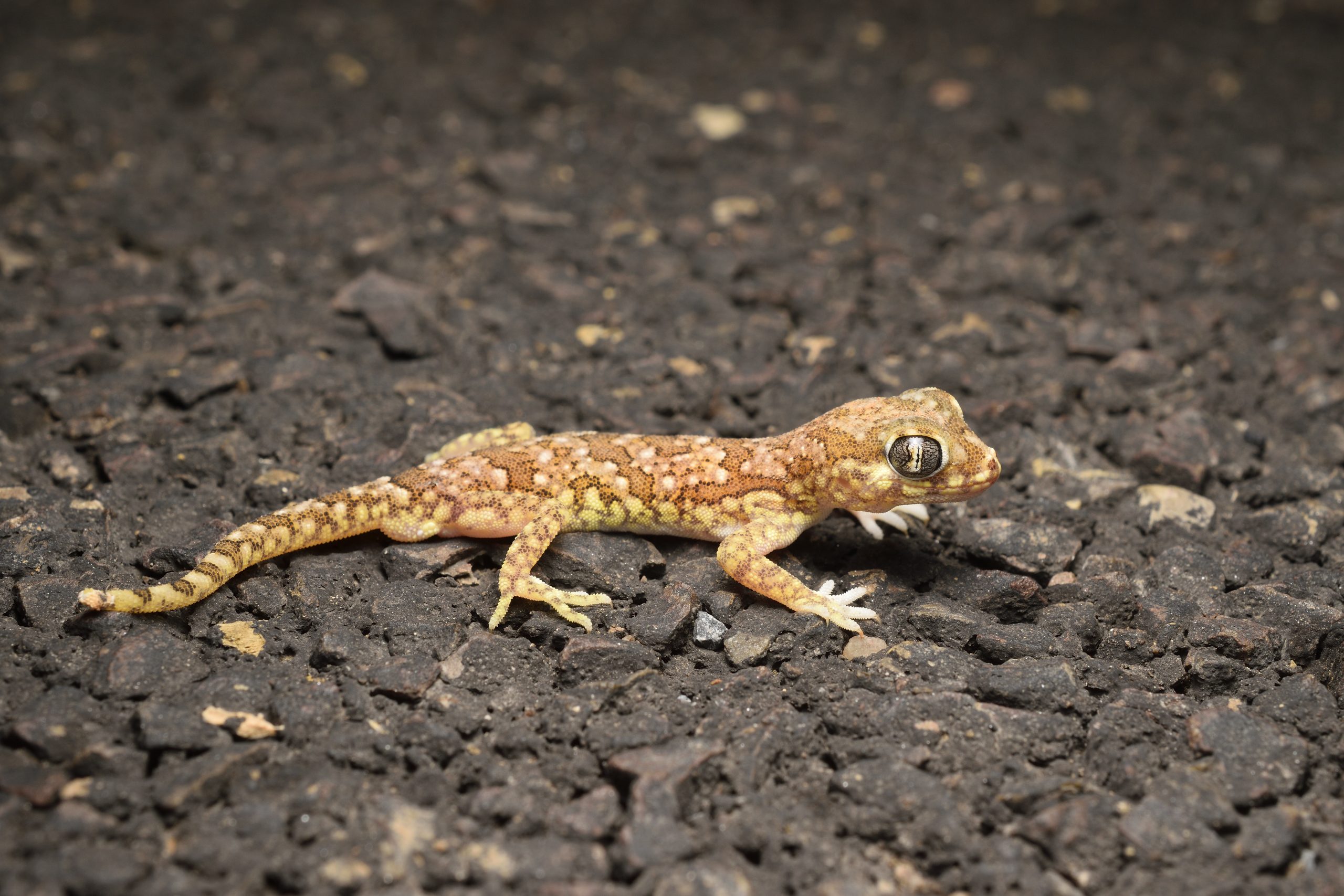
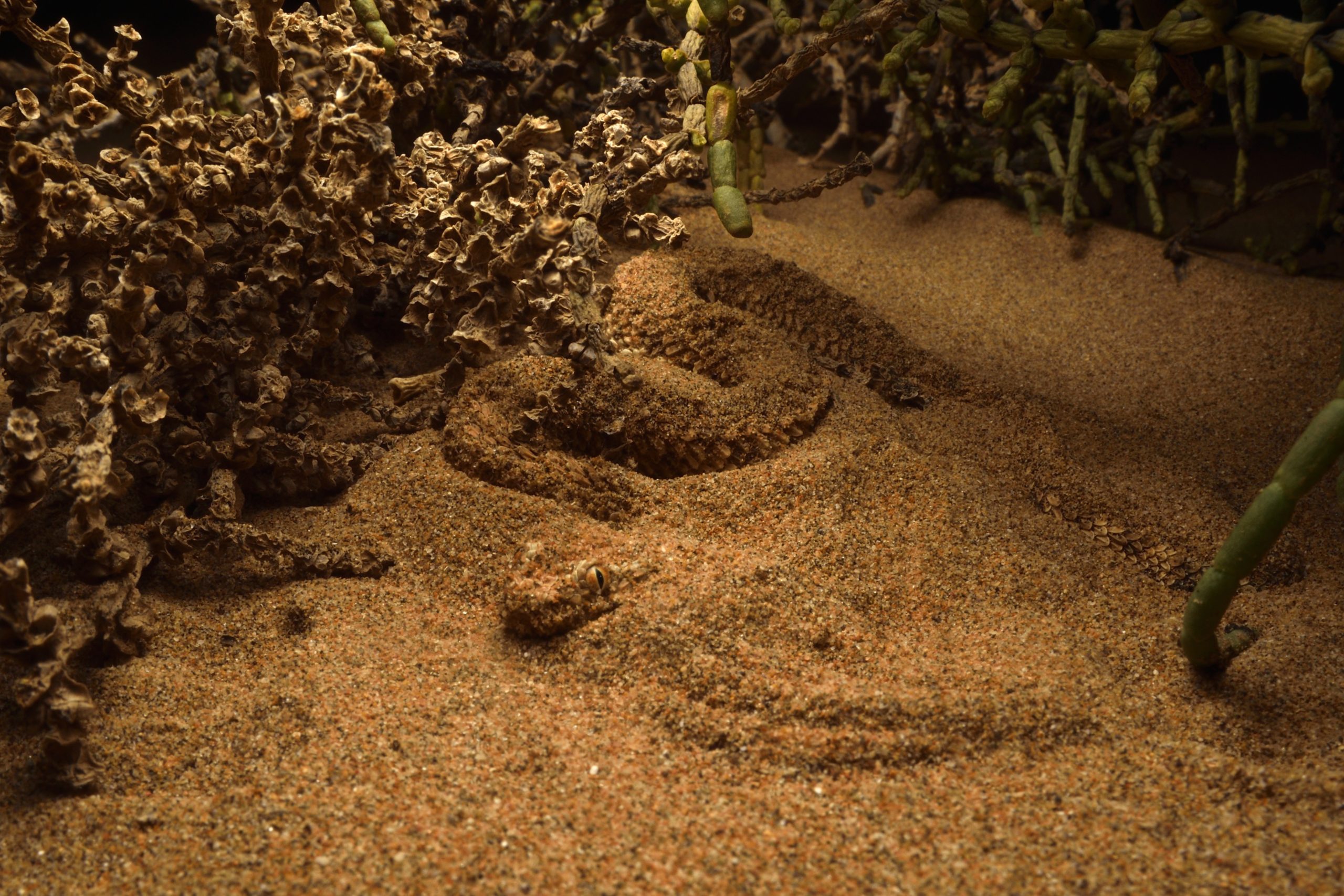
Tunisia remains one of North Africa’s most underrated herping destinations sharing much of the desert-adapted herpetofauna found in Morocco, but far less documented and far less visited. This expedition targets under-recorded regions to build a clearer picture of species distribution and abundance, with particular attention to identifying cryptic taxa that are still poorly characterised in the field.
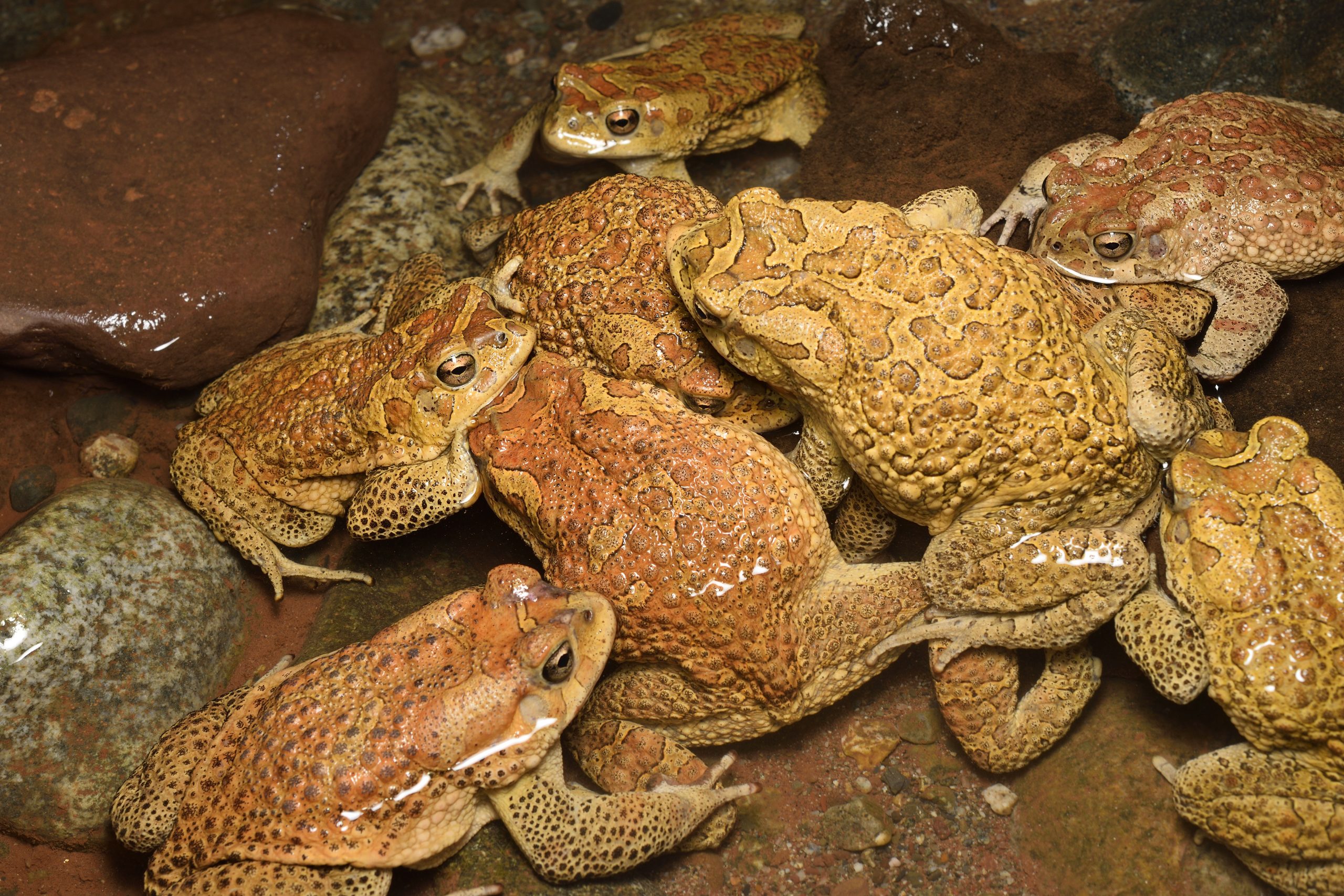
A core focus of the trip is documenting reptile and amphibian mortality in wells and cisterns, a significant, under-reported cause of death for desert wildlife across North Africa, affecting species from monitor lizards to a wide range of snakes and amphibians. Data collected will contribute toward a conservation action plan developed with local authorities. Tunisia is quickly emerging as one of the best places to see the Desert Monitor (Varanus griseus) in the wild.
Scientific Value
This expedition contributes directly to closing significant gaps in Tunisia’s herpetological record: distribution, abundance, and field identification of several cryptic species remain poorly documented compared to neighbouring Morocco. A central strand of the trip focuses on quantifying cistern and well mortality of reptiles and amphibians, a well-known but data-deficient threat across North Africa affecting species as significant as the desert monitor. Data gathered will be used to support a conservation action plan in collaboration with local authorities.