Future Expeditions
See where we are going!
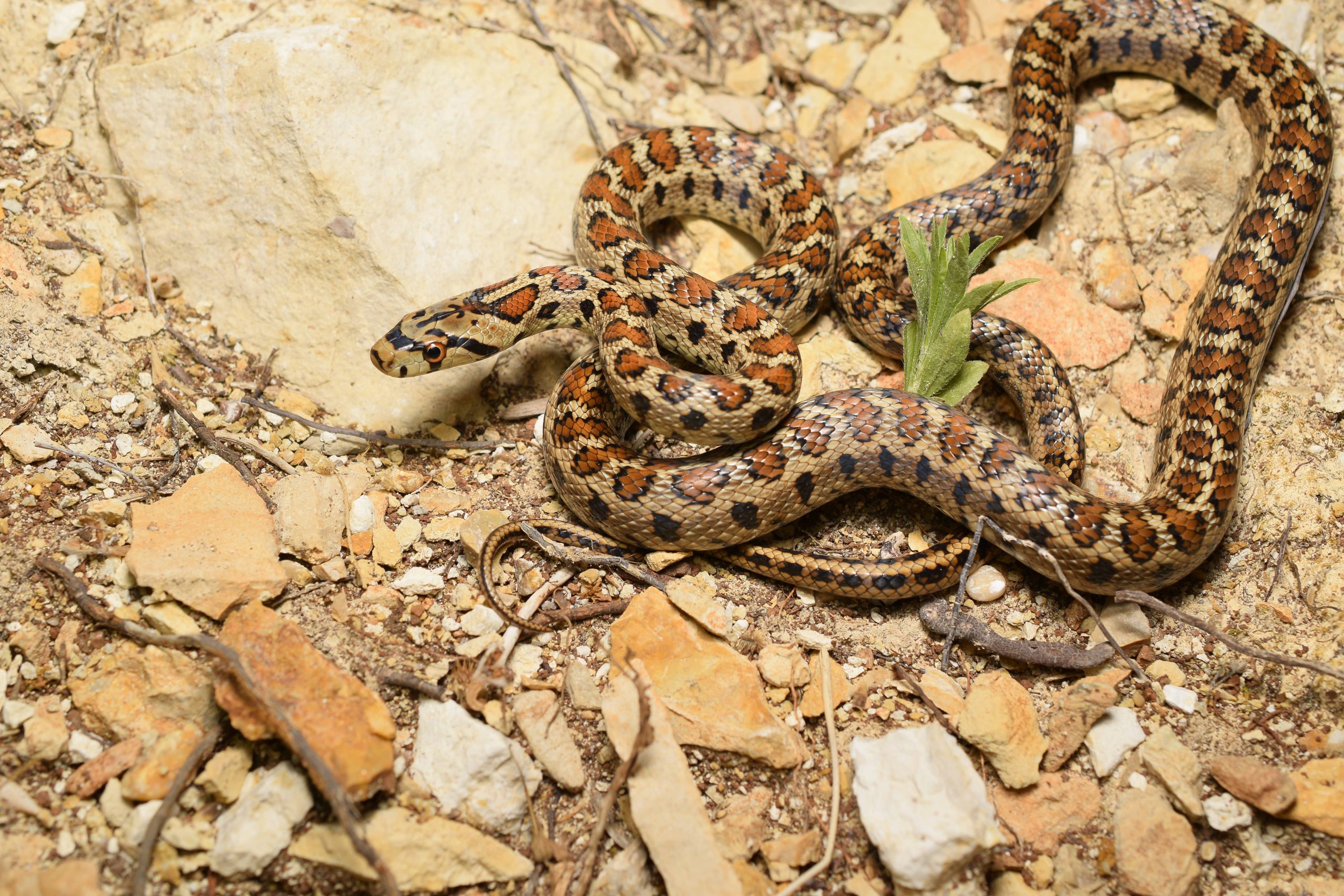
Taiwan is one of Asia’s most underrated herpetological destinations. Compressed into a relatively small island are montane forests, lowland river systems, rocky coastlines, and agricultural margins — each supporting a distinct assemblage of snakes, lizards, and amphibians, many of them endemic. For anyone serious about Asian herpetofauna, it belongs near the top of the list.
This ten-night expedition covers two provinces in eastern Taiwan, operating across carefully selected sites in Yilan and Taitung. Night surveys are the primary focus, where encounter rates after dark are substantially higher, with daytime sessions dedicated to diurnal species, data processing, and exploration of the surrounding habitat. The trip is run in close collaboration with a local Taiwanese researcher with long-term field experience at the sites we visit.


The scientific dimension is integral. Several sites form part of ongoing monitoring programmes, and all encounter data will be submitted to the Taiwan Reptile Reporting Scheme and other citizen science platforms. Further data collection methods forming ongoing research will be explained in the field.
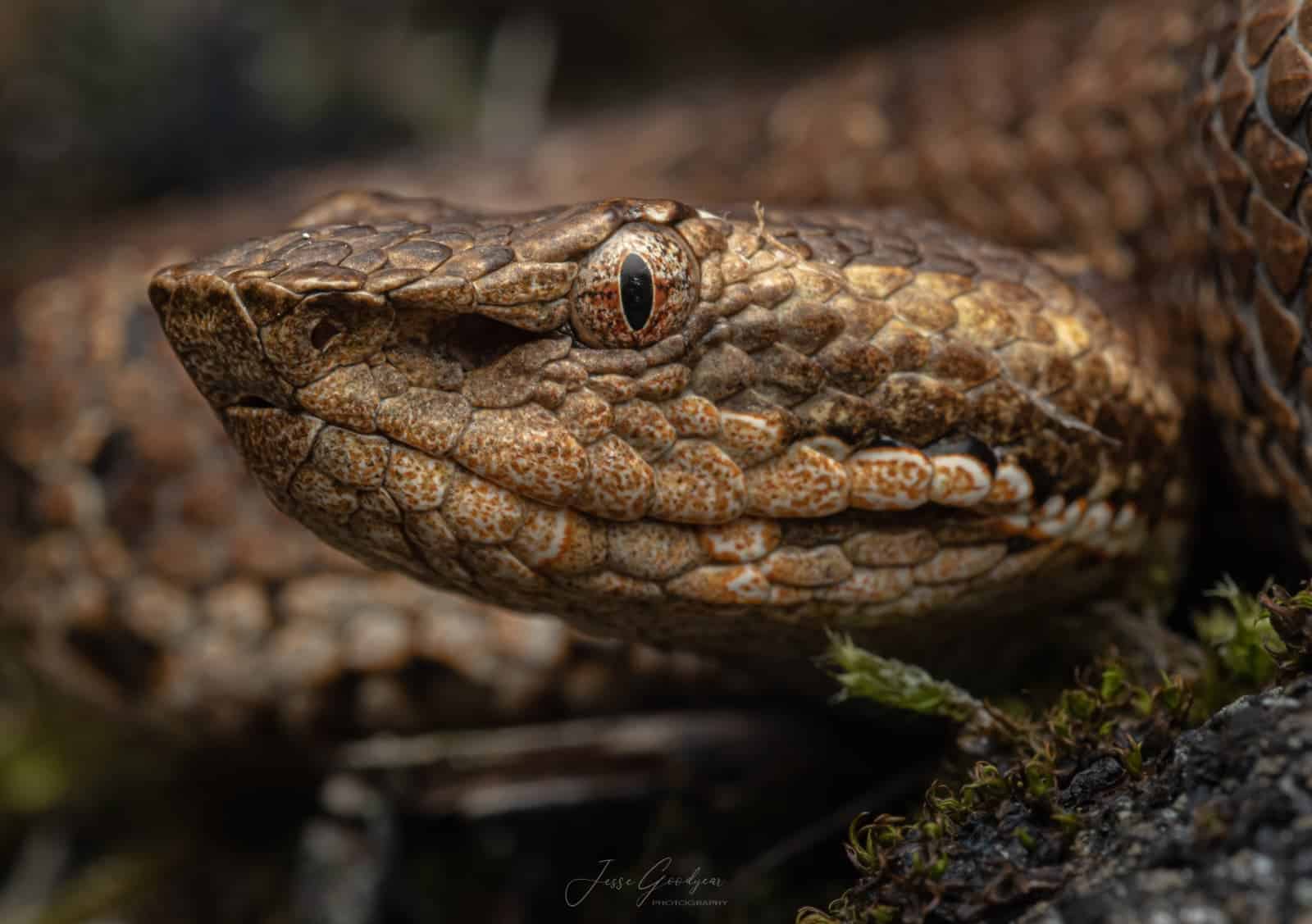
Target snakes include Deinagkistrodon acutus, Trimeresurus stejnegeri, Bungarus multicinctus, Oreocryptophis porphyraceus, Elaphe carinata, and sea kraits (Laticauda spp.) at the coast. Rare targets include Trimeresurus gracilis, Daboia siamensis, and Gonyosoma frenatum.


Expedition fee: £1,900pp includes accommodation, in-country transport, expert guiding, permits, meals, and airport transfers.
Spaces are limited to a small group.
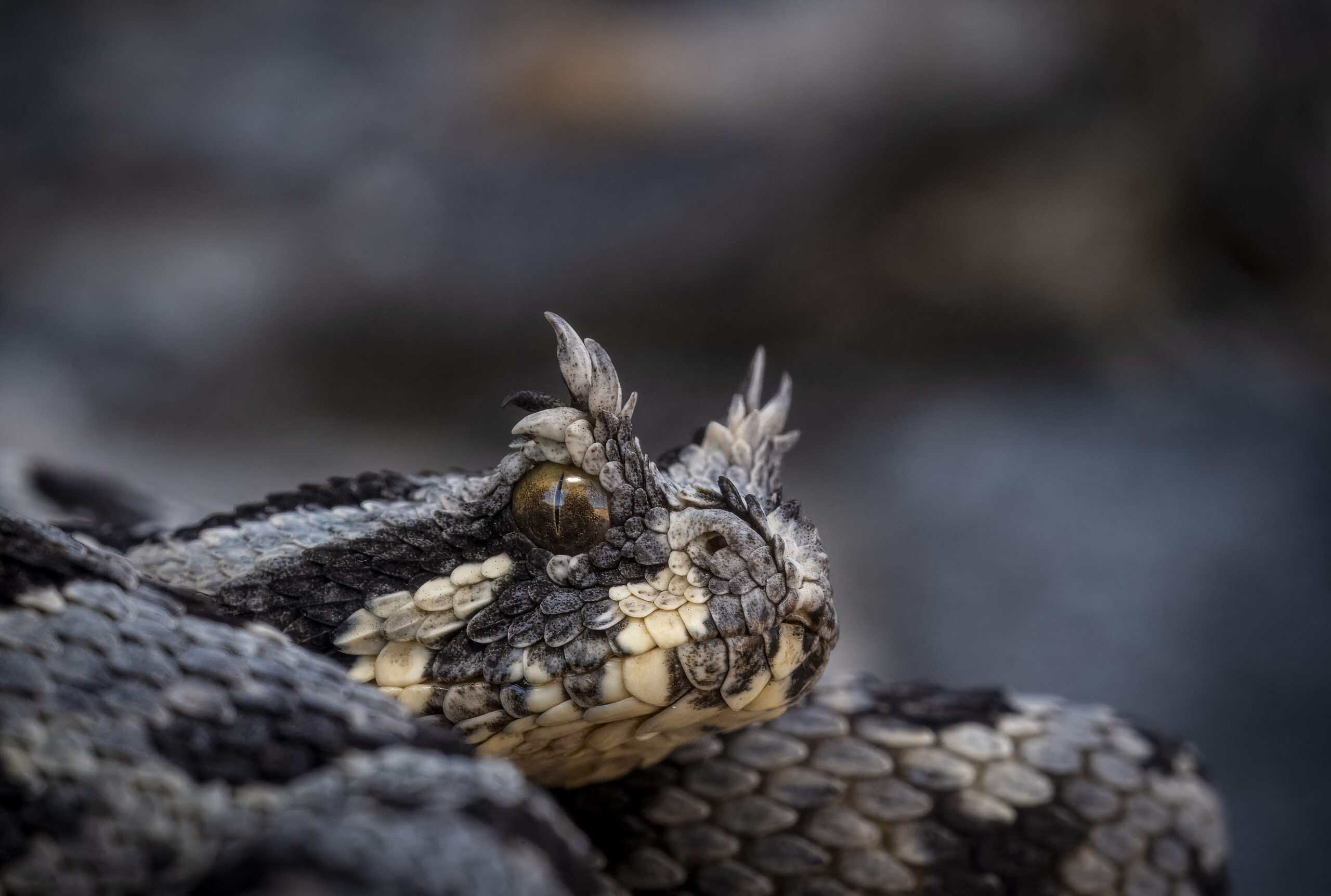
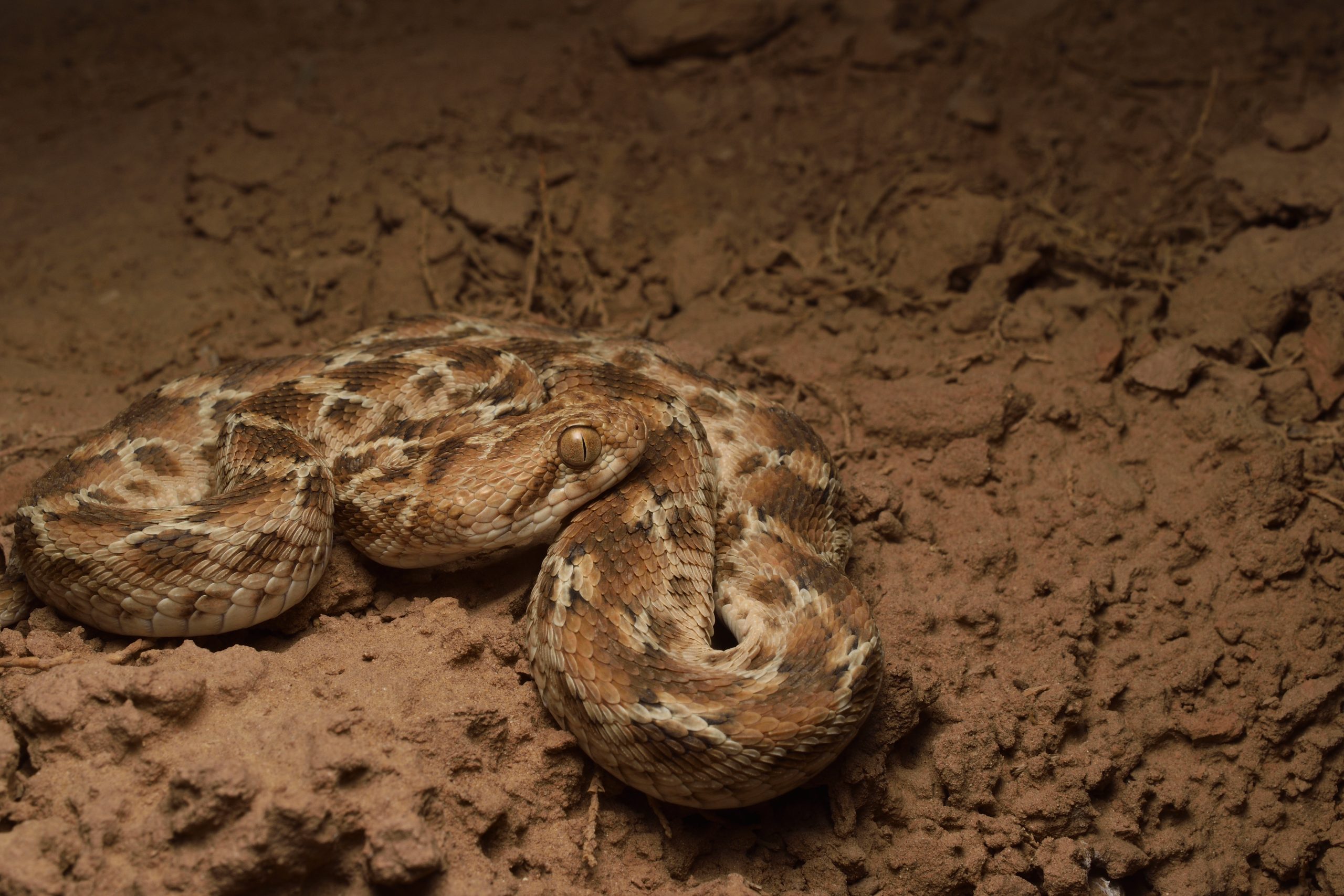
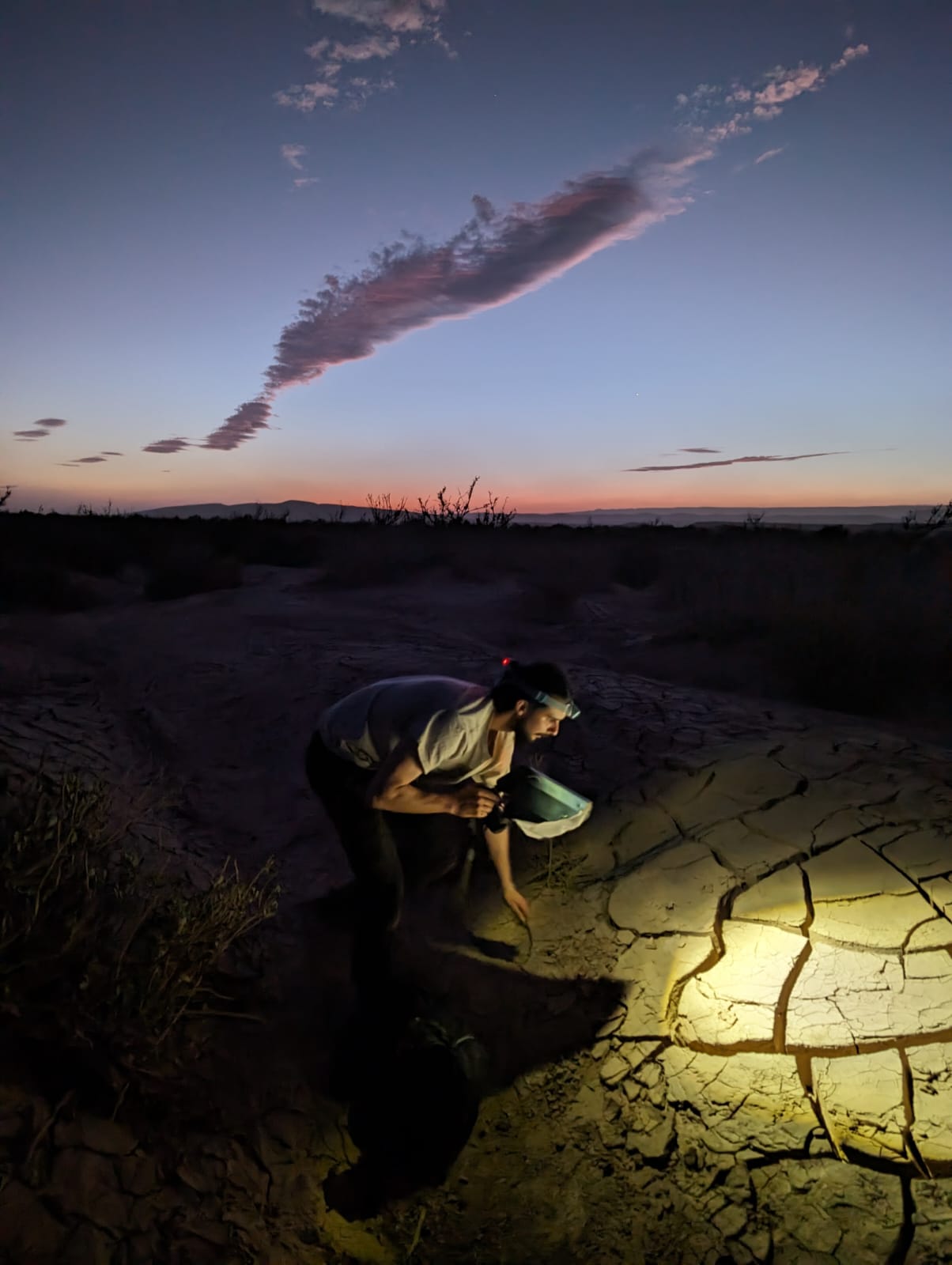
Southern Namibia is home to one of the most compelling reptile assemblages on Earth. From the coastal fog belt of the Namib to the rocky escarpments of the interior, this region supports a suite of desert-adapted species found nowhere else, including five species of dwarf Bitis viper, each a masterclass in cryptic adaptation and survival.


The trip runs in partnership with a specialist Namibian guide with deep field knowledge, access to key sites, and catch-and-release permits for all target species.
As with all FHN expeditions, this trip carries genuine scientific purpose. Every dwarf Bitis encountered will contribute data to a peer-reviewed study on microhabitat partitioning and morphological variation across the group, in collaboration with Namibian researchers. No specialist skills are required just a willingness to look carefully and record what you find.


This twelve-night expedition traces a route from Windhoek to Walvis Bay, covering the arid Karoo, the Orange River borderlands, the dune systems of Sossusvlei, and the Skeleton Coast. Our primary targets are the dwarf Bitis vipers of the south: B. schneideri, B. peringueyi, B. cornuta, B. xeropaga, and B. caudalis, alongside the broader regional assemblage of elapids, geckos, lizards, and chameleons that make southern Namibia so extraordinary for herpers.
Expedition fee: £2,999pp (8 participants) or £3,549pp (6 participants) A £700 deposit secures your place. Full payment due by 20th September 2026. Contact ed@fieldherpingnetwork.com to for further enquires.
Photos courtesy of Sean Braine.
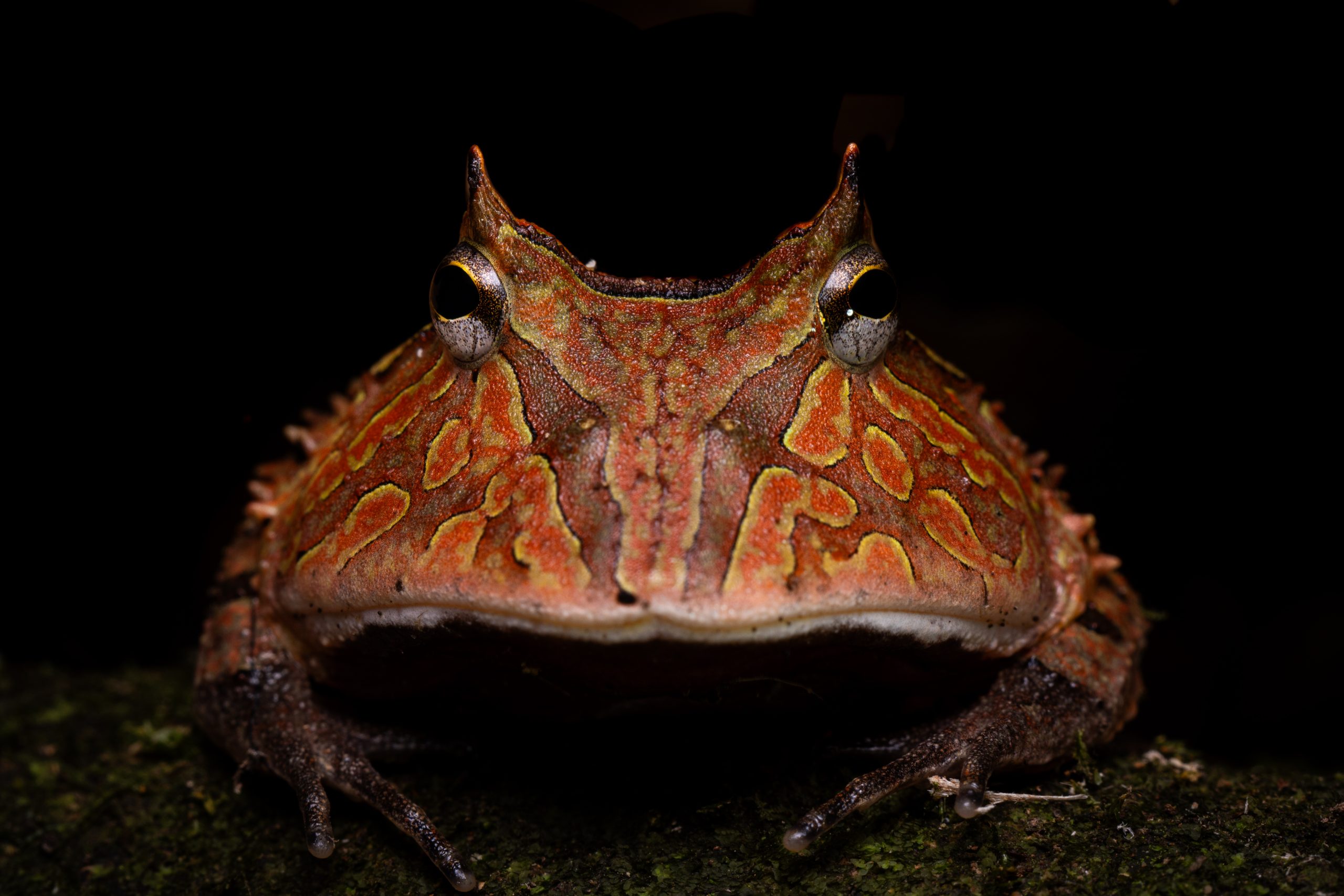
Also in early planning is a February expedition to Ecuador, taking in a range of the country’s major biomes to explore the dramatic shifts in herpetofaunal assemblage across its remarkably varied landscapes. We plan to base ourselves at a combination of research stations and eco-lodges, contributing to local species inventories as we go. Ecuador’s herpetofauna is among the most diverse on the planet, and this trip is designed to make the most of that – more details to follow. Contact ed@fieldherpingnetwork.com for more details.
Email ed@fieldherpingnetwork.com for details!
We are happy to take small groups to any locations around the world for purposes related to ecotourism, research expeditions, media production, and student experiences. We require a lead time of at least 6 months to ensure appropriate planning and permit acquisition. We will utilise our network of field naturalists and herpetological researchers based on the geographic region you are interested in. We are happy to support research based expeditions and fieldwork with herpetological expertise, including scientific support. Like with our planned expeditions, we try to make these as cost effective as possible. Please contact ed@fieldherpingnetwork.com to discuss further.