Future Expeditions
Taiwan: 20th – 30th June
£1900
Eastern Taiwan is one of Asia’s most underrated herpetological destinations. Sitting at the intersection of multiple biogeographic zones, the island supports an extraordinary diversity of reptiles and amphibians, high endemism, a remarkable snake fauna, and species that are genuinely difficult to find anywhere else in the world. This June, Field Herping Network is heading there for ten nights of guided survey work across two of the island’s most productive provinces.
The Expedition
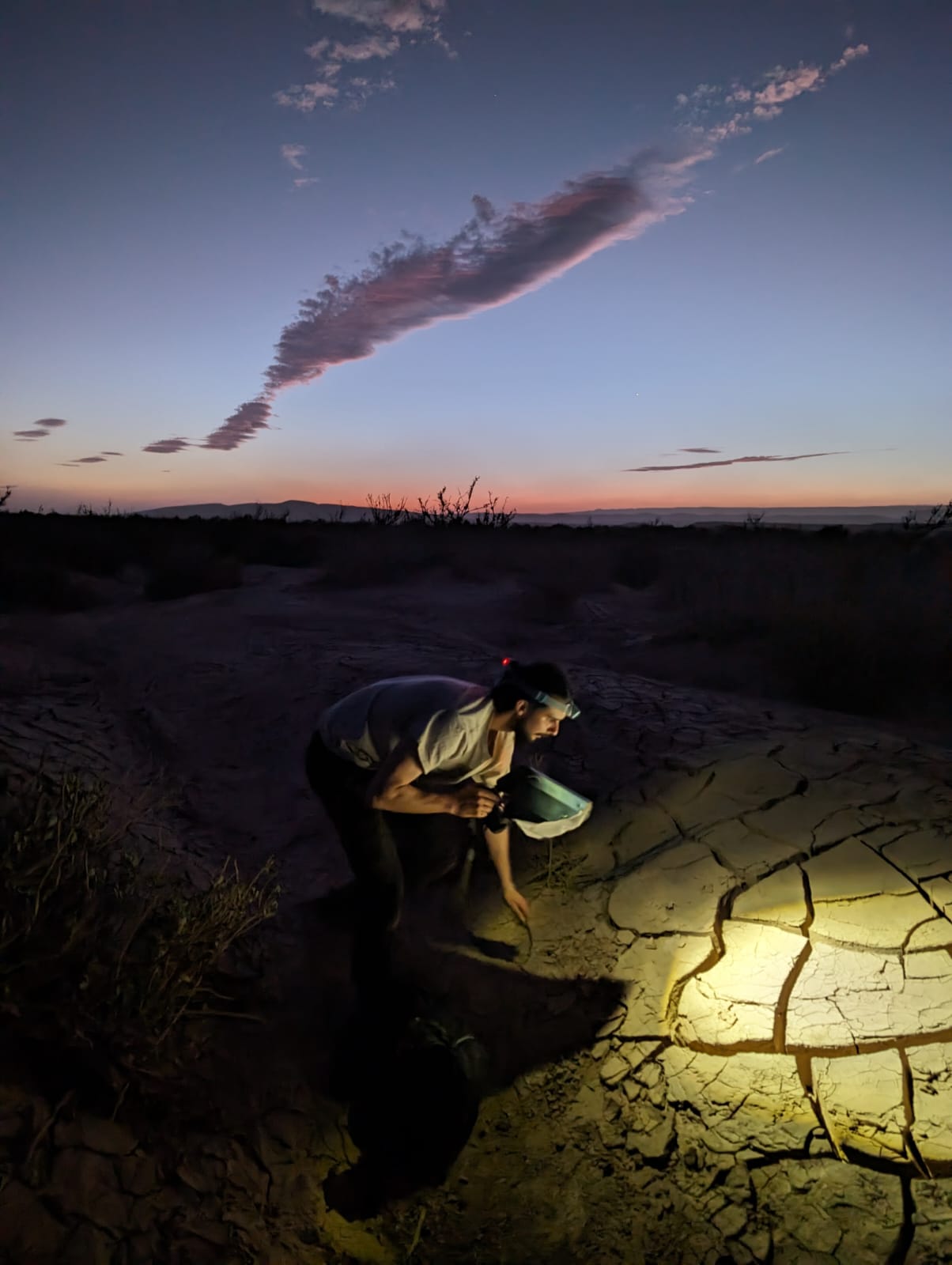
Based across Yilan and Taitung provinces, this expedition combines dedicated night surveys with daytime species recording, habitat exploration, and contributions to ongoing scientific work. We will operate across a range of sites from lowland farmland and dense forest roads to high-elevation montane habitat, giving participants the opportunity to encounter a broad cross-section of Taiwan’s herpetofauna.
As with all FHN expeditions, this is a small-group trip. Nights are the focus, encounter rates are substantially higher after dark but days are used productively for diurnal species recording, and exploring the local area.


Where We’re Going
Yilan Province (20th–25th June) We begin in the north, based in the Guilin area of Yilan province. Our sites here are part of a long-term reptile and amphibian monitoring programme, and the road network within the Mingchi National Forest Area, one of the best-known snake hotspots on the island. Species we expect to encounter in this region include Trimeresurus stejnegeri, Protobothrops mucrosquamatus, Bungarus multicinctus, Elaphe carinata, and a variety of Zhangixalus tree frogs.
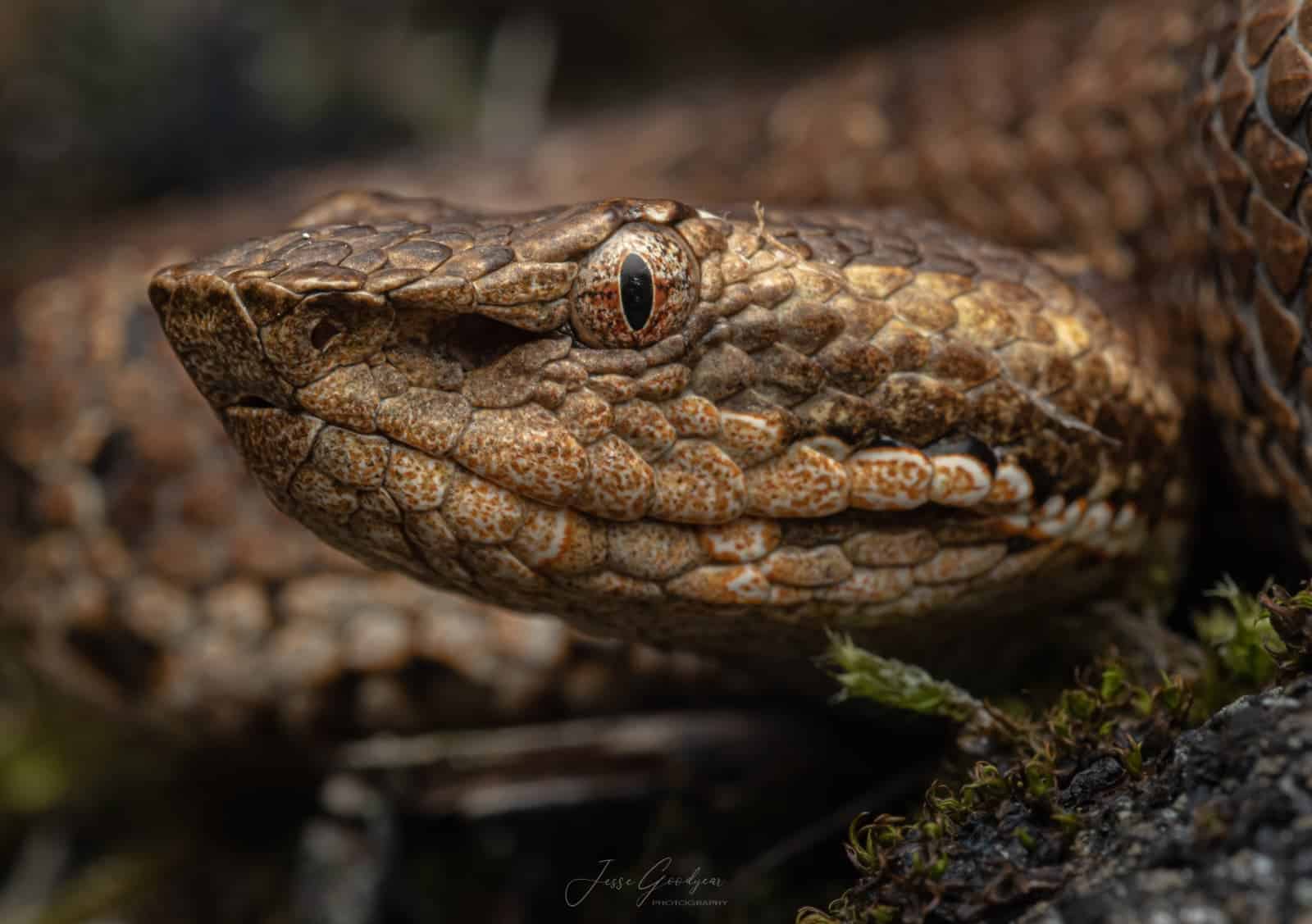
Taitung Province (26th–30th June) We then relocate south to Taitung, where the herpetofaunal assemblage shifts considerably. Highlights here include a dedicated low-tide night survey at Sanxiantai for Laticauda colubrina and Laticauda laticauda, both typically encountered in good numbers at this coastal site. We will also head up into the mountains to the Siangyang National Forest area in search of Trimeresurus gracilis, and Ovophis makazayazaya, alpine pit vipers of significant taxonomic interest. Additional survey sites in the highlands and lowlands around Taitung offer the chance to encounter further range-restricted and rarely photographed species.


Scientific Value
This expedition is built around real scientific contribution, not just species accumulation. Several of our survey sites form part of long-term monitoring programmes run in collaboration with our local research partner, and data collected during the trip will be submitted to the Taiwan iNaturalist and the Taiwan Reptile Reporting scheme.
For participants with a background in fieldwork or conservation, this is a genuine opportunity to contribute meaningfully to ongoing research. For those newer to the field, it is an equally valuable chance to learn survey techniques and data collection methods in a working context.
What to Expect
This is an expedition for people who are serious about herpetology; whether you are an experienced field herper, a wildlife photographer, a student, or an early-career researcher. No formal qualifications are required, but a genuine passion for reptiles and amphibians is essential. Days are relaxed; nights are the focus, and can involve long hours on forest roads and rough terrain. Participants should be physically fit and comfortable working in warm, humid conditions.
Group sizes are kept deliberately small to maximise both encounter quality and the integrity of survey work.


Expedition Fee
The expedition fee is £1,900 per person, which includes accommodation, all in-country transport, expert guiding, permits, meals, and airport transfers. International flights, travel insurance, visas, personal medical expenses, vaccinations, personal equipment, and alcohol are not included.
Interested?
Places are limited. To receive the full itinerary or register your interest, get in touch via ed[at]fieldherpingnetwork.com or via social media channels. Enquiries does not commit you to a place, it simply allows us to start a conversation.
South Namibia: December 2026
Field Herping Network is in the early stages of planning a December expedition to southern Namibia, targeting the dwarf Bitis species of the region, one of the most compelling groups of small vipers in the world. The south of Namibia remains relatively under-recorded herpetologically, and part of the appeal of this trip is contributing to a better understanding of what’s actually out there, including habitat differentiation between sympatric dwarf Bitis species alongside a broader survey of the regional assemblage. Full details are in development – if this is of interest, register your expression via social media or at ed[at]fieldherpingnetwork.com we’ll be in touch as plans progress.
Ecuador: February 2027
Also in early planning is a February expedition to Ecuador, taking in a range of the country’s major biomes to explore the dramatic shifts in herpetofaunal assemblage across its remarkably varied landscapes. We plan to base ourselves at a combination of research stations and eco-lodges, contributing to local species inventories as we go. Ecuador’s herpetofauna is among the most diverse on the planet, and this trip is designed to make the most of that – more details to follow.